Photo: Ninara from Helsinki, Finland (CC BY 2.0), via Wikimedia Commons
By the Victoria Falls Accommodation team · Published 4 October 2026 · Updated 11 October 2026
Choose your dates around the experience you want. Higher water brings a powerful waterfall and heavy spray; lower water can reveal more of the gorge. Rain falling far upstream takes time to reach the Falls, so local rainfall and waterfall volume are not the same thing.
| Typical period | What to expect | What to check |
|---|---|---|
| January to February | Rainy conditions; the river is generally rising | Weather flexibility and whether activities are running |
| March to May | Often high flow and heavy spray | Visibility and river-dependent closures |
| June to August | Drier conditions, cooler nights, falling flow | Warm layers and current viewing conditions |
| September to October | Hotter weather and lower water | Heat, room cooling and activity availability |
| November to December | Rain arrives; often low water at first | The current flow, not assumptions from rainfall |
These are broad patterns, not a forecast. Water levels and weather vary from year to year, so check current conditions close to your travel dates.
High Water
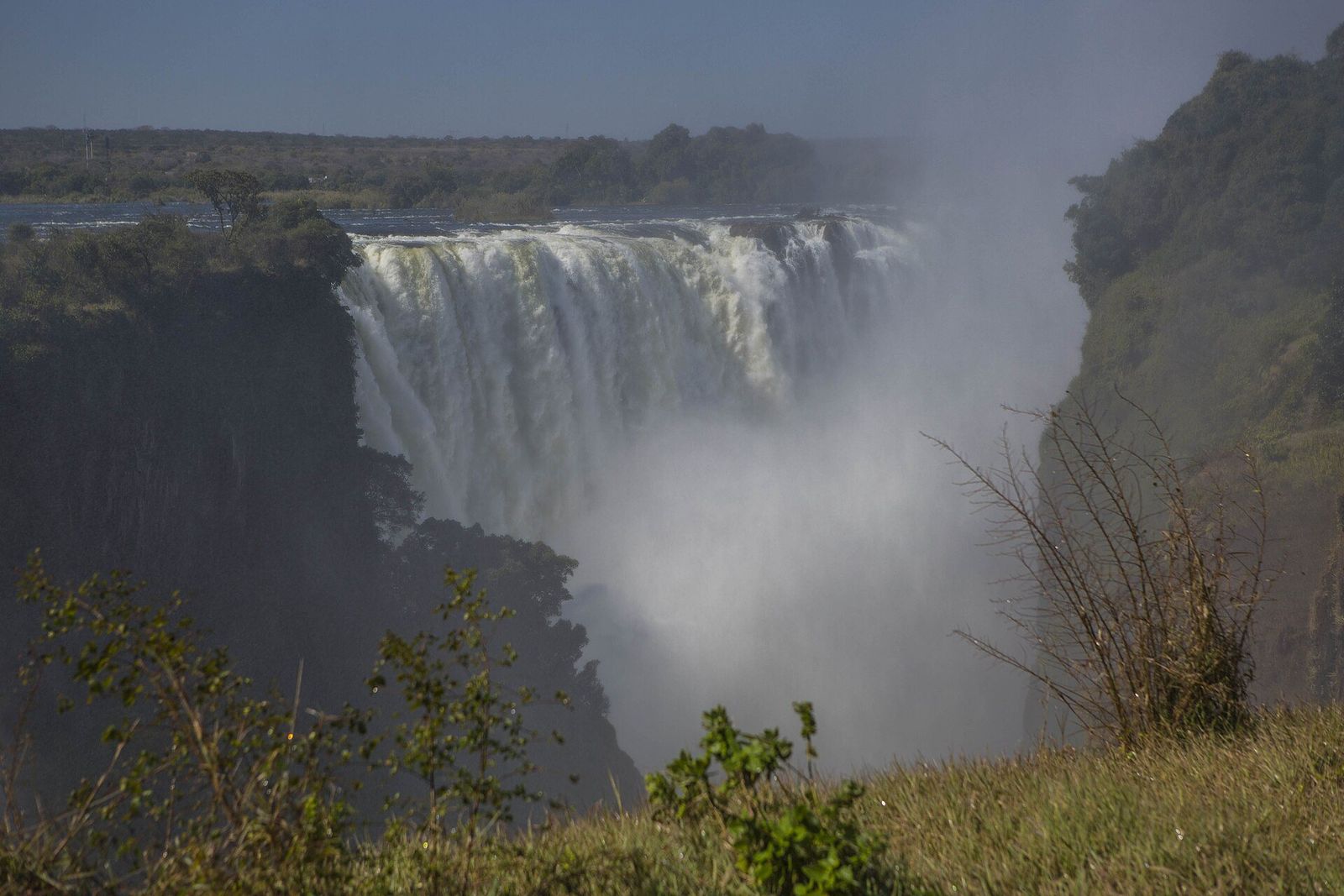
The river usually peaks a few months after the rains begin. The Falls are at their most powerful and the spray is huge. You will hear and feel the Falls, but the spray can hide parts of the view, and you will get wet. Some river activities, including parts of the rafting season, are limited at high water.
Low Water
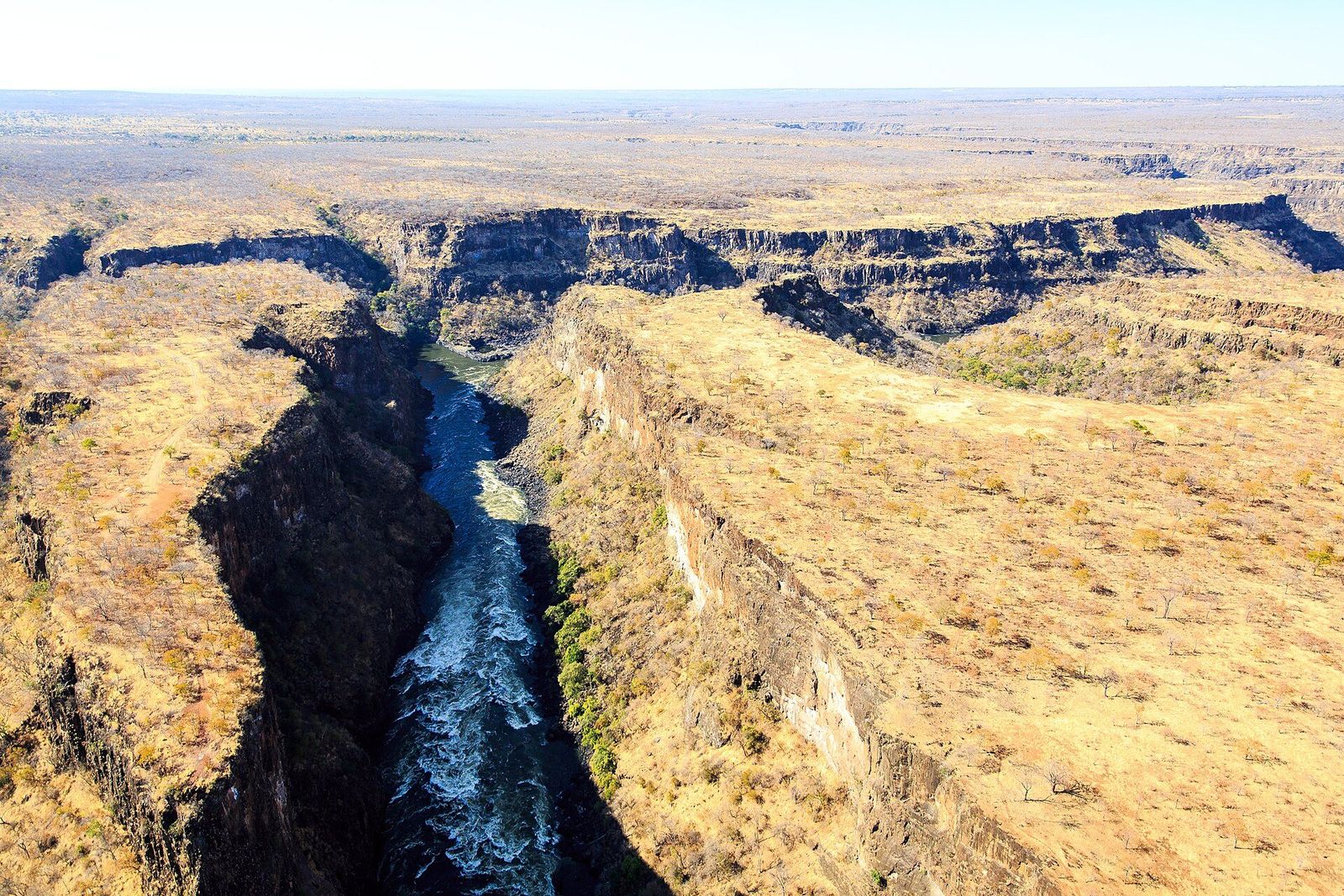
Towards the end of the year the water drops. You see more of the rock face, and parts of the Falls on the Zambian side can run very low. Low water is generally the better time for white-water rafting.
Wildlife Viewing
Wildlife is easier to see in the dry season, when vegetation thins and animals gather near water. This matters if you plan to combine the Falls with Zambezi National Park, Chobe or Hwange.
Match Your Accommodation to the Season
- In hot months, ask about air conditioning and a pool.
- If rain may affect your plans, check for indoor space and covered areas.
- For cooler nights in the middle of the year, check bedding and heating.
- Ask which facilities and activities operate during your travel dates.
Check Your Priority Activity Before Paying
Don't choose dates from an old photograph or a generic "best month" claim. Confirm current operation with the activity provider, particularly for river-based experiences.
Health and Packing
The Zimbabwe Tourism Authority identifies Victoria Falls as a malaria-risk area. Speak to a travel-health professional about your itinerary before you travel. For packing, consider walking shoes, sun protection, a light rain layer, protection for valuables near the spray, warmer evening clothes in the cooler months, and your travel documents.
Next: browse Victoria Falls accommodation or explore things to do.